Table of content
- Ethical and Humane Practices
- Quality and Hygiene Standards
- Diverse and Flavorful Cuisines
- Global Halal Certification Standards
- Catering to Religious and Non-Religious Standard
Halal food, once considered exclusive to the Muslim community, has now gained widespread recognition and appeal among people from all walks of life. The term “halal” refers to food that adheres to Islamic dietary guidelines and is prepared in a manner deemed permissible in Islam. In recent times, halal food has transcended cultural and religious boundaries, becoming a popular choice for a diverse array of consumers. In this article, we explore several compelling reasons why halal food has become accessible and attractive to everyone, regardless of their beliefs or backgrounds.
1. Ethical and Humane Practices
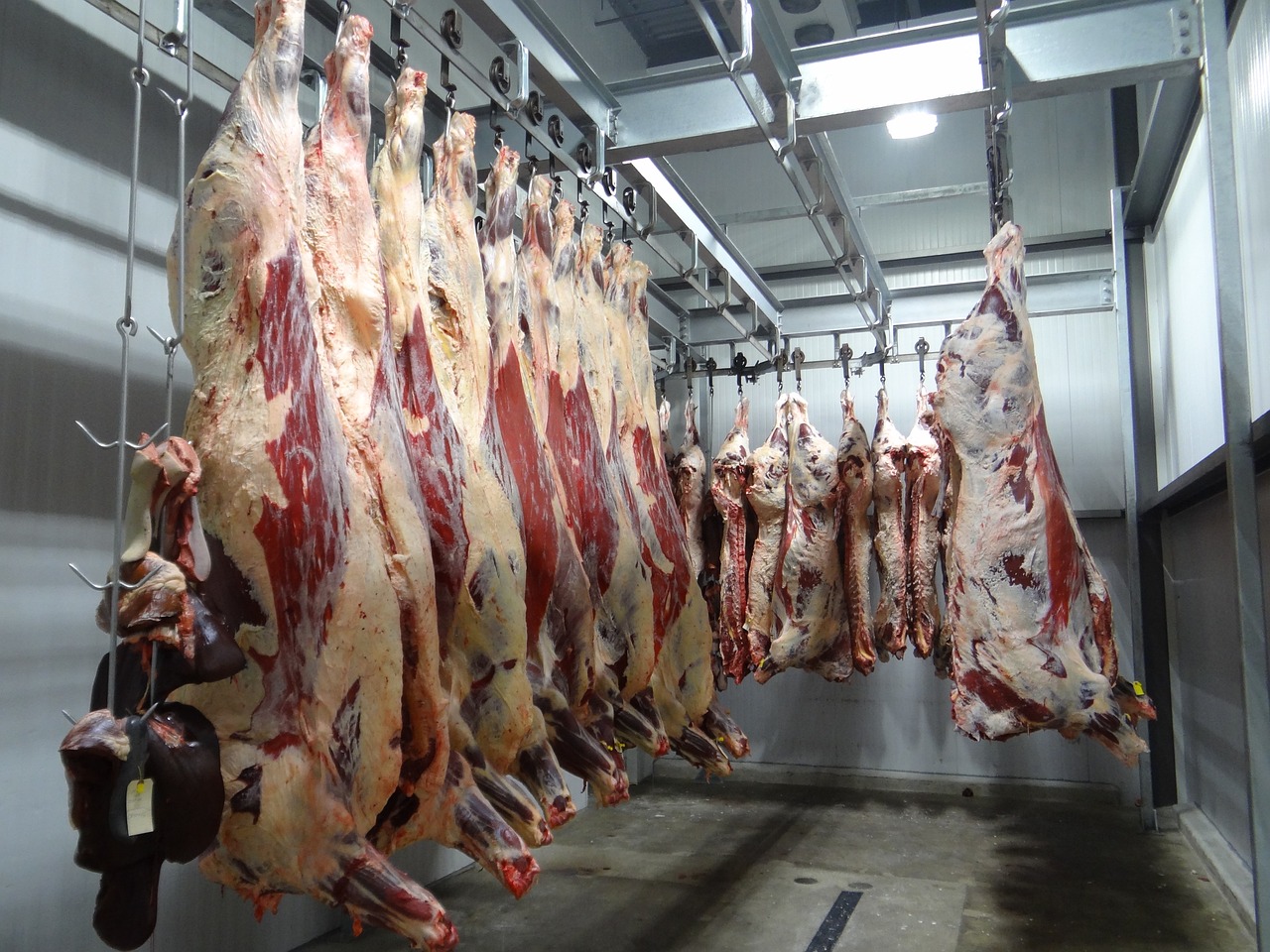
One of the primary reasons why everyone can consume halal food is its commitment to ethical and humane practices. Halal meat is sourced from animals that undergo a specific ritualistic slaughter, known as “Zabiha” in Islamic tradition. This process emphasizes minimizing pain and distress to the animals, making it a more ethical choice for conscious consumers who care about animal welfare. The emphasis on ethical practices in halal food production resonates not only with Muslims but also with people from various cultural backgrounds who seek food options that align with their values of compassion and sustainability.
It is important to emphasize that the term “specific ritualistic slaughter” does not imply that the food or meat prepared through this process is accompanied by specific prayers that would have a direct impact on non-Muslims.
2. Quality and Hygiene Standards
Halal food adheres to strict quality and hygiene guidelines in accordance with Islamic dietary laws. This encompasses stringent protocols for the handling, processing, and storage of food items. In the realm of food manufacturing, Halal Certifying Bodies, such as the Islamic Food and Nutrition Council of America (IFANCA), commonly establish guidelines for producers. These guidelines serve as certification standards, enabling manufacturers that meet these requirements to obtain halal certification. One of the stipulations is that producers must ensure no cross-contamination occurs between halal products and others, including residues from previous production cycles. This commitment ensures that halal-certified products maintain high-quality ingredients and impeccable hygiene standards, thereby appealing to health-conscious consumers seeking a safe and wholesome food experience.
3. Diverse and Flavorful Cuisines
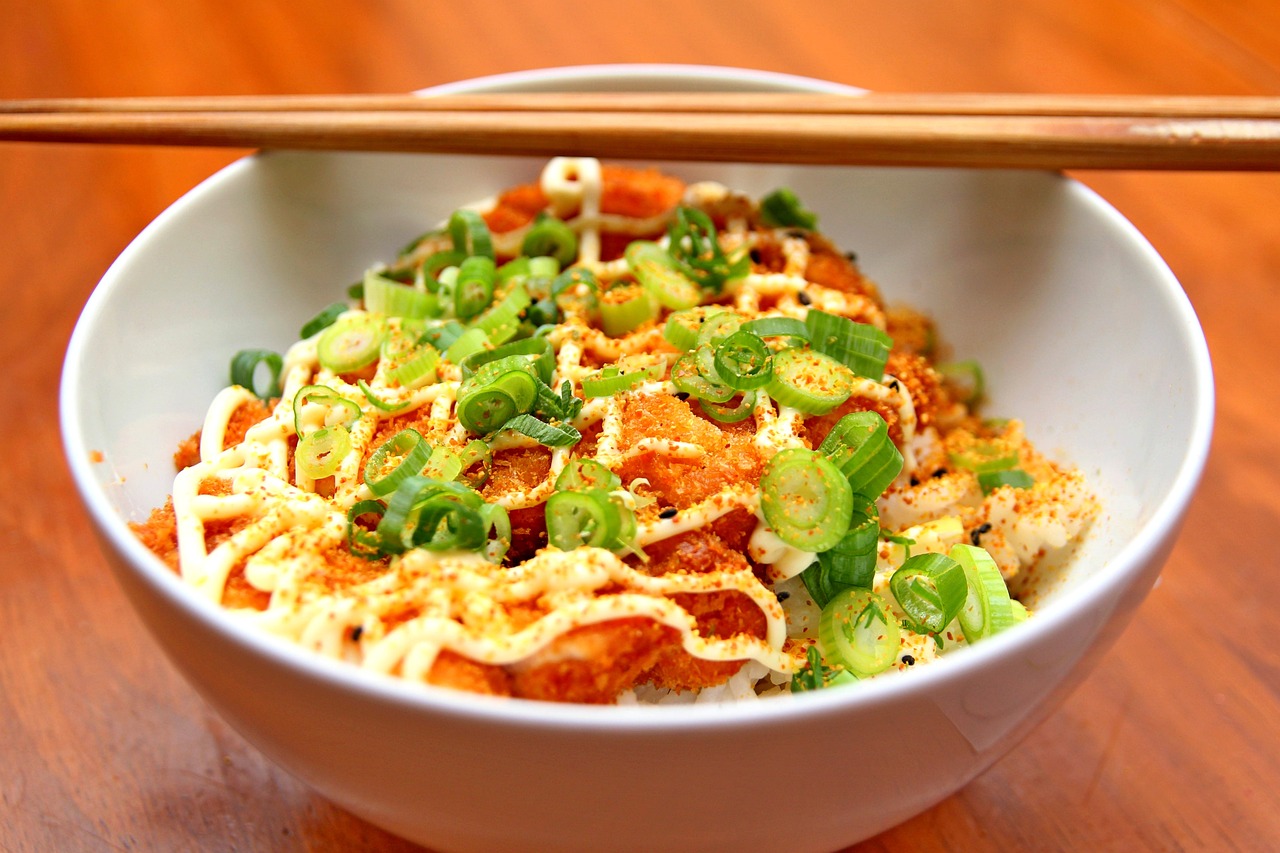
The halal food scene offers a tantalizing range of diverse and flavorful cuisines from various regions worldwide. From Middle Eastern delicacies to Asian delights and Mediterranean treats, halal-certified restaurants and products cater to diverse palates, appealing to adventurous food enthusiasts seeking unique and delicious dining experiences.
4. Global Halal Certification Standards
As mentioned in the second point, the establishment of global standards for halal certification has been instrumental in making halal food accessible to consumers around the world. Recognized halal certification bodies, such as the Islamic Food and Nutrition Council of America (IFANCA), ensure that food products adhere to halal requirements. These requirements encompass not only the integrity of raw materials and the conditions of production facilities, but also the implementation of a specialized management system known as the Halal Assurance System. Consequently, consumers can readily recognize and place their trust in products that carry halal certification, no matter where they are located.
5. Catering to Religious and Non-Religious Standard
While halal food holds immense significance in Islamic dietary laws, its appeal extends beyond religious boundaries. Non-Muslims are increasingly embracing halal food due to its reputation for quality, ethical sourcing, and superior taste. This inclusivity fosters cultural understanding and paves the way for culinary exploration among diverse communities.
Halal food now reaches beyond cultural and religious boundaries. It appeals to a wide range of consumers worldwide. Ethical practices drive much of its growing popularity. Strict quality standards strengthen consumer confidence. Allergen-free options attract health-conscious individuals. Diverse cuisines expand its global appeal. Global halal certification standards increase trust and transparency. Consumers can choose halal food with greater confidence. More people now discover its many benefits. Its influence on the global food industry continues to grow. Halal food blends flavors from many cultures. It also promotes harmony through shared food experiences.