
The Halal market is booming, and it’s no longer just a religious matter; it’s a trillion-dollar global business. This emerging market is changing how the world does business, particularly in the food industry.
The Multibillion-Dollar Engine: Halal Market Growth
Imagine a consumer base that is not only growing fast but also increasingly spending on products that meet strict ethical, clean, and religious standards. That’s the global Halal economy. The numbers are staggering: the global Halal food market alone was an estimated USD 2.5 trillion in 2024 and is expected to soar to USD 6 trillion by 2034. This kind of financial power, as highlighted in reports like the State of the Global Islamic Economy (SGIE), doesn’t just attract entrepreneurs; it wakes up entire economies.
This massive growth has awakened the global food system. Both large and small producers now see strong profit potential. Attention does not come from companies alone. Regulators are now deeply involved. Governments and authorities recognize its significance. They see the Halal economy as a powerful engine for national growth.
In response, many national authorities have started to change their regulations. Governments, especially in Muslim-majority nations, have recognized this economic potential, leading many to update or overhaul their existing regulations. Countries like Malaysia, Indonesia, Gulf Countries, and Türkiye are actively positioning themselves as global Halal hubs, offering incentives and creating sophisticated regulatory frameworks to boost Halal exports and national economic growth.
National Interests vs. Global Commerce: The Regulatory Friction
The problem arises because each authority creates standards with its own national interest in mind. Naturally, their priority is to support and protect their domestic market and consumers. From the regulator’s point of view, this looks good, it ensures high standards at home and national control over certification.
But for the manufacturer who supplies products worldwide, this system is a nightmare. Imagine a single chocolate company exporting to five different countries, all of which require Halal certification. That company now may need to comply with five different sets of standards and regulations.
This complexity affects their bottom line in a big way. The biggest pain point is the cost:
- Multiple Certification Fees: The manufacturer has to pay fees for different certifications. This is an expensive, repetitive process.
- Hidden ‘Recognition’ Costs: Even worse, some certification bodies, to get their certificates officially accepted by an importing country’s authority, must pay their own substantial fees to the authority. These huge expenses are then passed down the line, increasing the cost of the final product.
This maze of regulations also creates immense confusion for everyone involved. Manufacturers have to constantly adjust their production systems to meet conflicting rules. The certifying bodies are forced to be bureaucratic chameleons, changing their audit requirements just to keep their certificates recognized. It’s an exhausting, costly, and confusing cycle that slows down trade.
The Halal Supply Chain Complexity: Majority vs. Minority Contexts
A major source of this complexity stems from the differing realities of the food supply chain in Muslim-majority versus Muslim-minority countries.
It is a common and often regrettable yet understandably reality that a majority of Halal authorities develop their standards based on the conditions prevalent in their own Muslim-majority country. In such nations, non-Halal exposure in the food supply chain is generally limited and restricted by law, making a clear, segregated supply chain less of a struggle. Implementing strict, conservative standards that demand minimal risk of contamination might be straightforward in this environment.
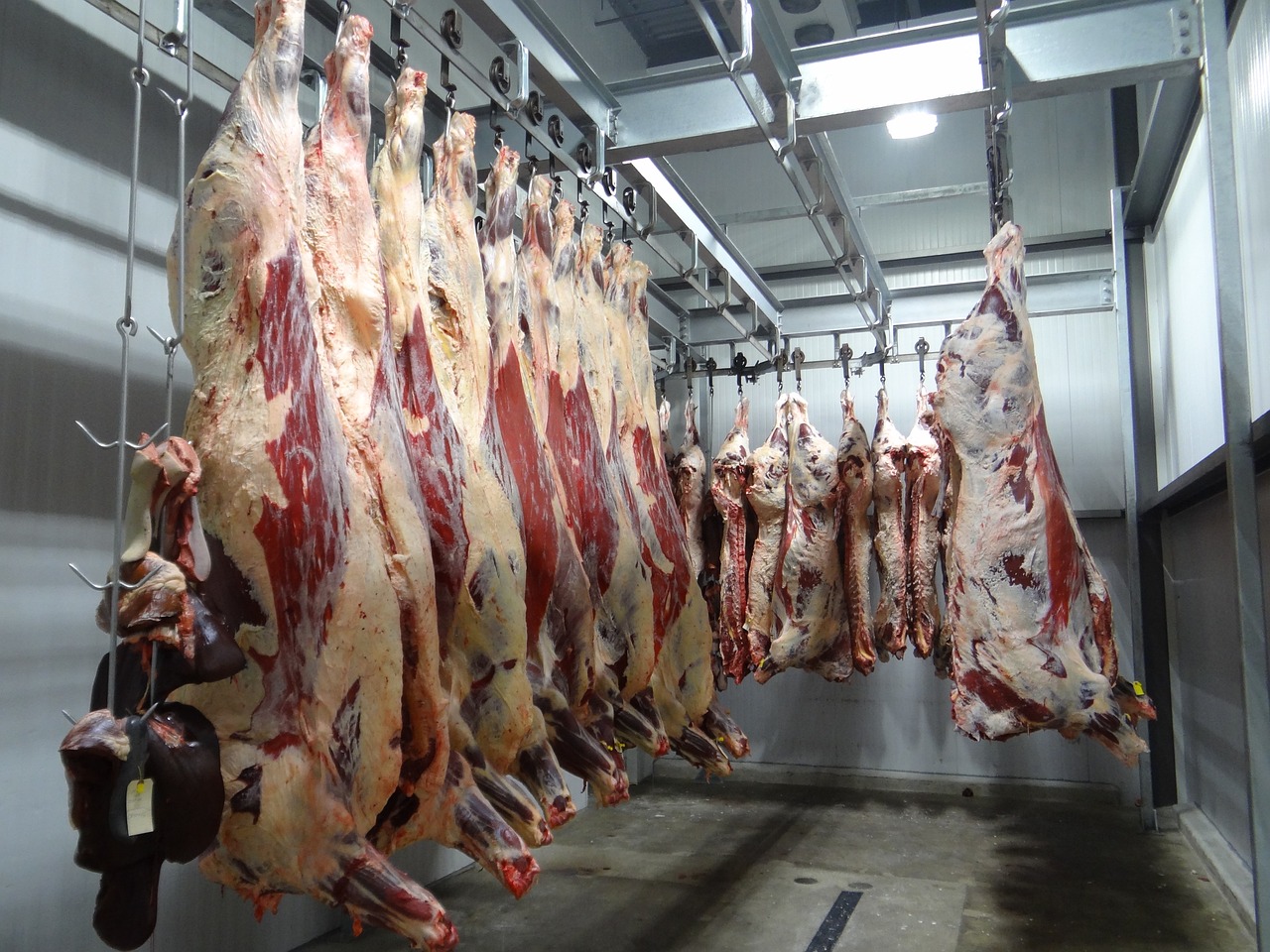
However, this perspective becomes completely illogical in a Muslim-minority country. Here, non-Halal ingredients and products are ubiquitous. The entire supply chain, from slaughterhouses that could process both Halal and non-Halal meat, to food manufacturers that produce both certified and non-certified lines, is vastly more complex. Demanding an absolute, clear-cut freedom from cross-contamination, while religiously ideal, becomes an exponentially difficult and cost-prohibitive requirement to implement on a commercial scale in a non-Muslim majority setting. The rigidity of standards created for one context unnecessarily hinders the availability and affordability of Halal products in another.
The Theological Impasse: Schools of Thought and Acceptance
Beyond the logistical and economic factors, the deepest barrier to a single standard is theological and cultural pluralism inherent to Islam.
The interpretation of Islamic law (Fiqh) is diverse, guided by different schools of thought (Madhhab) which vary in their rulings on everything from stunning animals before slaughter to the use of certain minor ingredients or processing aids. These differences can lead to varying opinions on what is permitted (Halal) and what is not (Haram).
Historically, Muslims have found a way to compromise and co-exist with these variations not by forcing one belief on everyone, but by embracing acceptance and recognizing the validity of different interpretations. This theological and cultural pluralism, essential to the global Muslim community, means that a single, unified Halal requirement is a dream that is nearly impossible to achieve.
The Only Viable Path: Mutual Recognition
Given the immense diversity in jurisprudence, geography, and socio-economic conditions, it is nearly impossible to have a truly unified global Halal requirement. A single standard would inevitably exclude or burden one community in favor of another.
The true hope for the Halal market lies in mutual recognition. It does not depend on full unification. Authorities must respect standards developed in different countries. These standards may vary to match local contexts. They can still meet core Halal requirements. Valid schools of thought support these standards. A verified Halal Assurance System strengthens their credibility. Importing authorities should accept such certifications. This approach reduces global costs. It also minimizes trade confusion. Mutual recognition supports efficient international trade. It allows the Halal economy to reach its full potential.